
Short answer
Denpasar isn't scenic and it isn't sold on lifestyle, but it's the most practical, affordable and best-equipped place on the island for healthcare, schooling and everyday life.
Suits
- Households where ongoing healthcare access is a priority
- Budget-focused families wanting strong schooling without west-coast rents
- People who value convenience — supermarkets, hospitals, sports facilities — over beach proximity
- Long-term residents integrating into Indonesian city life
Doesn't suit
- Anyone moving to Bali primarily for beach or surf lifestyle
- People wanting quiet — Denpasar is genuinely noisy and busy
- Remote workers seeking a strong cafe or coworking culture
- Those wanting scenic surrounds over urban convenience
The area
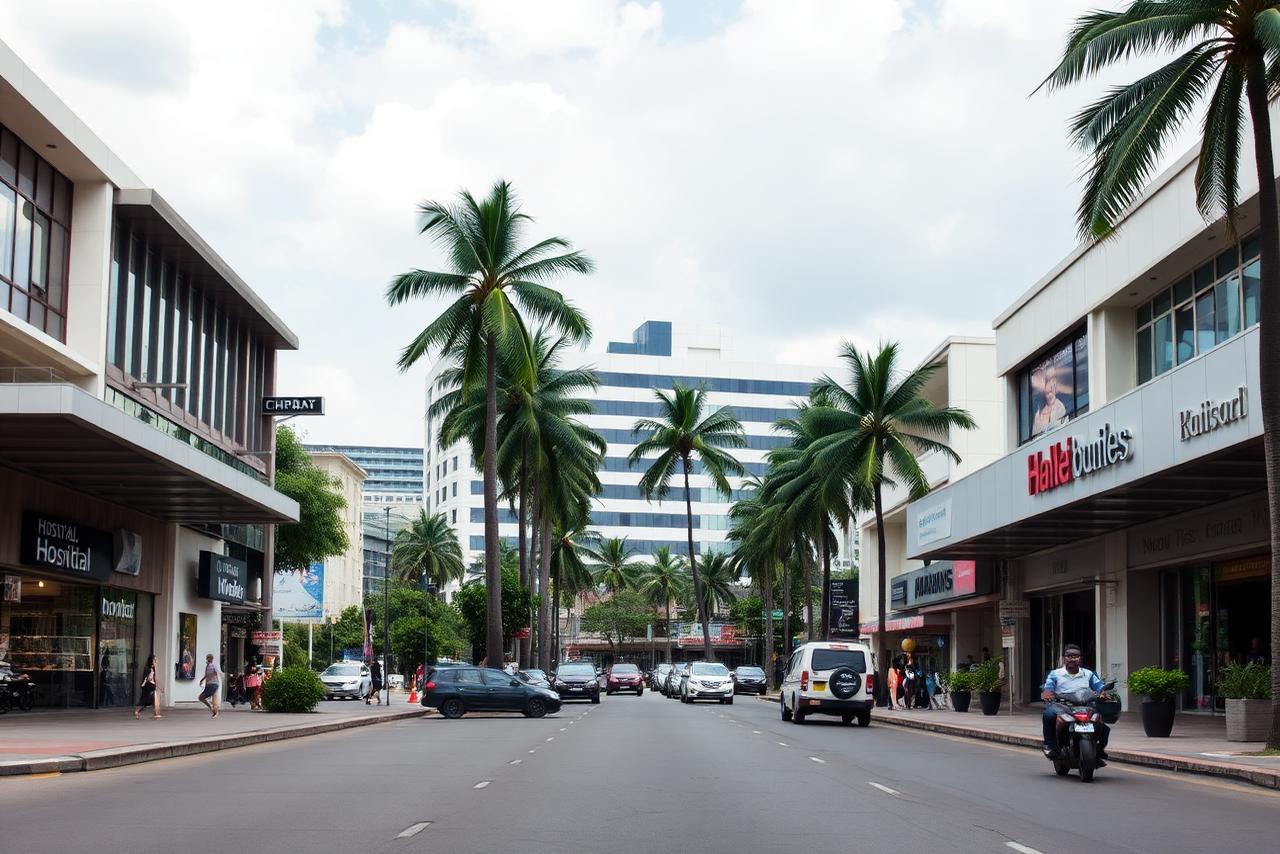
Denpasar is Bali's working capital. Not scenic, but unmatched for infrastructure: the best hospitals, big supermarkets, universities, sports facilities and genuinely affordable housing.
Life here looks more like Indonesian city living than the Bali of Instagram — traditional markets, big supermarkets, malls, universities and government offices all within reach. English is spoken in professional and medical settings but less so in everyday local commerce, so some Indonesian helps.
Cost of living in Denpasar
| Rent, long-term lease | |
|---|---|
| One-bedroom villa | $385 – $673 |
| Two-bedroom villa | $577 – $1,058 |
| Three-bedroom family villa | $865 – $1,538 |
| Day to day | |
| Coworking (monthly) | $7 – $14 |
| Eating out (monthly) | $3 – $9 |
| Scooter hire | $63 – $91 |
| Total monthly budget | |
| Single person, all in | $962 – $1,538 |
| Couple, all in | $1,442 – $2,212 |
| Family of four, all in | $2,308 – $3,654 |
Indicative, mid-2026 — verify before relying on it. AUD converted at Rp 10,400 to the dollar.
Housing
The most affordable long-term housing in South Bali.
Long-term housing here is the most affordable in South Bali, with modern housing complexes (perumahan) and older family homes both available. Villas in the western sense are less common — expect Indonesian-style townhouses and gated housing estates instead.
Annual leases are standard practice and usually paid upfront, with formal agreements more common than in rural areas given the volume of local renters. It's worth verifying utilities, water source and any building permits before signing.
Schools and families
Strong access to both local and international schools.
| School | Curriculum | Fees / year | Drive |
|---|---|---|---|
| Bali Island School (Sanur border) | IB | AUD 12k–22k | 20 min |
| Sekolah Cita Buana / national plus options | National Plus | AUD 4k–9k | 15 min |
| Udayana affiliated and local negeri schools | Indonesian national curriculum | AUD 0.3k–1.5k | 10 min |
Healthcare
Bali's leading hospitals and specialists.
This is genuinely the best healthcare access anywhere in Bali, with Sanglah as the island's main referral hospital plus several well-equipped private hospitals within a short drive. It's a primary reason many long-term residents and families choose to base themselves here.
Nearest hospital: Siloam Hospitals Denpasar and BIMC / Sanglah Hospital, Bali's leading referral hospital (about 10 minutes). Clinics nearby: Numerous private klinik and specialist practices across Renon and Sesetan, Prodia and other major pathology labs.
Traffic and getting around
Denpasar has Bali's worst congestion at peak hours — this is a genuine city with genuine gridlock, not the scooter-friendly chaos of the west coast. Everything is close in distance but slow in practice, so factor real drive times rather than map estimates.
Busy, but everything is close.
Beach and surf
There's no beach in Denpasar itself; Sanur is the closest option at 15–20 minutes, with calm, family-friendly water rather than surf. Serious surf means driving further to Canggu or the Bukit.
Internet and working
Fibre coverage is generally solid across established suburbs like Renon and Panjer, better than most of the island. Businesses and remote workers rarely struggle for reliable connectivity here.
Community
Predominantly Balinese and Indonesian.
20–35 minutes to the airport.
What to watch out for
- Heavy traffic and noise, particularly along main arterial roads at peak times
- Little scenery or greenery compared with the rest of the island
- Fewer Western restaurants and cafes than the tourist south
- Flooding on low-lying roads during heavy wet-season rain
- Parking is genuinely difficult in the busiest commercial strips
- Not a beach or surf lifestyle destination
Common local traps
- Unregistered agents offering 'foreigner-friendly' housing at inflated prices compared with the local market rate
- Vehicle rental scams targeting the university and tourist-adjacent areas with damage claims on return
Ideal for
- Healthcare-focused households
- Budget-focused families
- People who value convenience
Less ideal for
- Beach lifestyle seekers
- Anyone wanting quiet
Common questions
- Do expats actually live in Denpasar?
- Some do, particularly in Renon, usually motivated by healthcare access, schooling or budget rather than lifestyle.
- Is Denpasar good for healthcare in Bali?
- Yes, it has the island's best hospitals, including Sanglah as the main referral hospital and several strong private options, making it the go-to for serious medical needs.
- Is Denpasar cheaper than Sanur or Canggu?
- Considerably. Housing and everyday costs are the lowest of any established South Bali area, well below Sanur and a fraction of Canggu.
- Is there a beach in Denpasar?
- No, but Sanur's calm beach is only 15–20 minutes away, making it a workable option for families who don't need daily beach access.
- Is Denpasar walkable?
- Certain suburbs like Renon have decent footpaths and a park loop, but the city overall is built around vehicles, not pedestrians.
- What's the traffic like in Denpasar?
- It's the worst on the island at peak hour — genuine city gridlock rather than the scooter congestion typical of the west coast.
Last reviewed . Figures are indicative — we check them periodically and correct them when readers tell us they have moved.